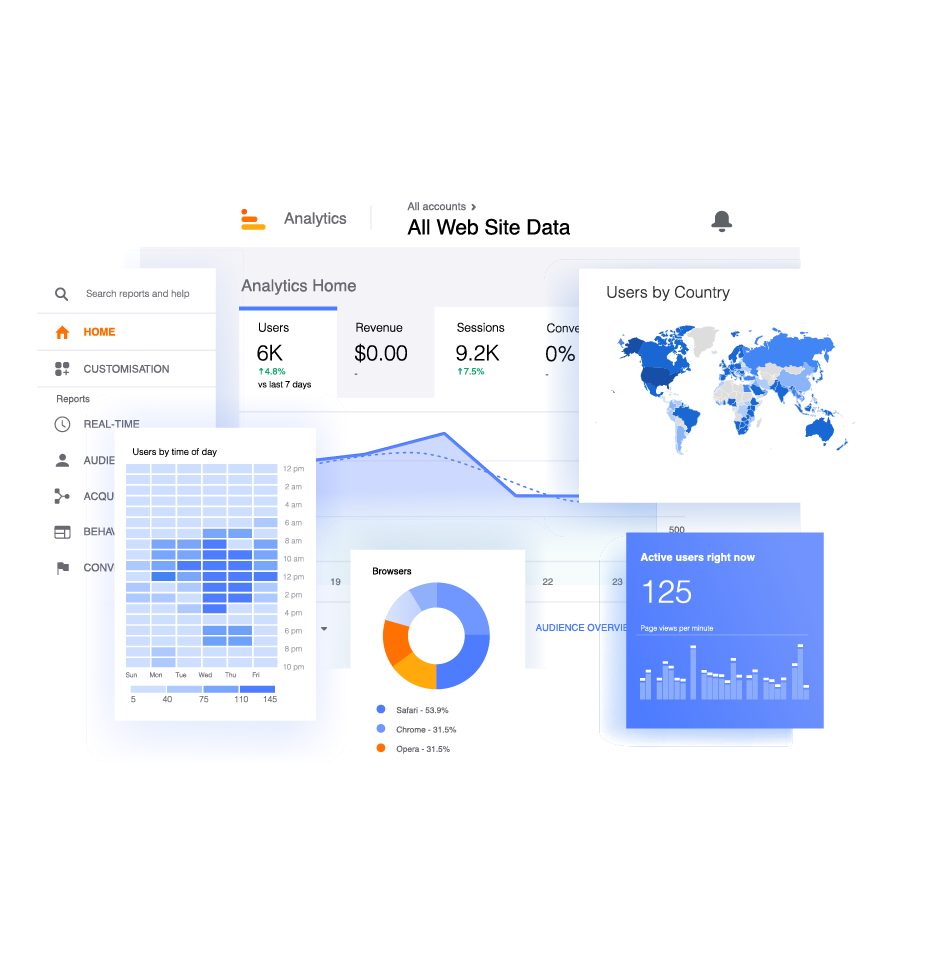

You log into your analytics, and there it is. The numbers are way down. Last month everything looked fine. Now it’s like your website disappeared.
Take a breath. You’re not alone in this.
Sudden website traffic drops are more common than most business owners realize, and more often than not, there’s a fixable reason behind them. Sometimes it’s something as simple as a setting that got accidentally changed. Other times it’s a Google algorithm update that needs a little time to settle.
The key is figuring out what actually happened before you start making changes.
Here’s a walkthrough of the most common reasons websites lose traffic, and how to start narrowing down what’s going on with yours.
1. Not Every Dip Is a Problem
Before you go down a troubleshooting rabbit hole, ask yourself one question: is this drop actually unusual for this time of year?
Seasonal traffic swings are completely normal, and they affect a lot of industries more than people expect. A wedding planner’s website gets far less traffic in January than in March. A construction company might see dips in the winter months. A back-to-school retailer? They’ll feel the slow season in spring.
Pull up your analytics and compare this period to the same time last year. If the pattern looks familiar, you might not have a problem at all. You just might have a season.
2. Check What Changed on Your Website
If the drop lines up with recent changes you made to your site, that’s your first place to look.
Updates, redesigns, page deletions, even a switch to a new hosting provider can all cause traffic to shift suddenly. It doesn’t mean you did something wrong. It just means something needs attention.
Here are the most common technical issues to check:
- Broken pages or links — If key pages on your site return a 404 error, Google stops sending traffic there.
- Slow page speed — Search engines penalize slow sites. If your site is sluggish, your rankings will feel it.
- Server downtime — If your site was down for any period of time, search engines may have temporarily dropped it from results.
- Accidentally blocking search engines — This one sounds unlikely, but it happens. A setting in your website platform can accidentally tell Google not to index your site. It’s a quick fix once you know to look for it.
If you’re not sure how to check any of these, this is exactly the kind of thing we help with.
3. Google May Have Updated Its Algorithm
Google updates the way it ranks websites regularly, and sometimes those updates shake things up.
If you didn’t change anything on your site but still saw a drop, check whether Google pushed a major update around the same time. You can find that information directly on Google’s Search Central blog. Social media channels that track SEO news are also a good source for this.
The good news: most algorithm updates settle out within a few weeks. If your site is solid and you haven’t been cutting corners on your content or SEO practices, your rankings will usually recover.
4. You May Have Lost a Backlink
Backlinks are links from other websites pointing to yours. They’re one of the signals Google uses to decide how trustworthy and relevant your site is.
When a strong backlink disappears, traffic can drop noticeably. Here’s how that happens:
- A website that was linking to yours shuts down.
- A listing or directory removes your entry.
- A site goes through a redesign and the link breaks in the process.
Think about whether your business has been featured in any articles, listed in any directories, or mentioned on any other websites. If one of those sources recently went offline or changed, that could be contributing to your drop.
5. Your Google Business Profile Might Need Attention
For local businesses, your Google Business Profile is a huge piece of the traffic puzzle. And it’s easy to overlook.
Here’s what to watch for:
- Inconsistent NAP information — NAP stands for Name, Address, Phone Number. If your business info doesn’t match exactly across your website, Google Business Profile, and other listing sites, it can confuse search engines and hurt your local rankings.
- Recent changes to your profile — If you’ve updated your address, phone number, or business category recently, you may see a temporary dip while Google processes the changes.
- A suspended listing — If your Google Business Profile has been flagged or suspended for any reason, that traffic can disappear quickly. Check your profile directly in Google to make sure everything looks active and in good standing.
6. Your Competitors Aren’t Standing Still
Sometimes your traffic drops not because you did anything wrong, but because someone else stepped up.
New competitors enter the market. Existing ones invest more in their websites, their SEO, or their content. When that happens, they can climb the rankings and push your site further down the page.
This doesn’t mean you’ve lost. It means it’s time to be more intentional about your own online presence.
Staying visible in search results isn’t a one-time task. It’s ongoing. The businesses that show up consistently on page one are the ones who treat their website and SEO like an investment, not a setup-and-forget expense.
You Don’t Have to Figure This Out Alone
Here’s the bottom line: a traffic drop is a signal, not a sentence. It’s telling you something needs attention. And once you know what it is, you can fix it.
If you’ve gone through this list and still can’t pinpoint what happened, that’s what we’re here for. We look at websites like this every single day. What takes you hours to untangle takes us a fraction of the time.
If your website traffic has dropped and you want a second set of eyes on it, reach out and let’s take a look. You shouldn’t have to spend your weekend staring at analytics trying to decode what went wrong.
Looking for more ways to improve how your website performs in search? Check out our SEO services and web design work.